
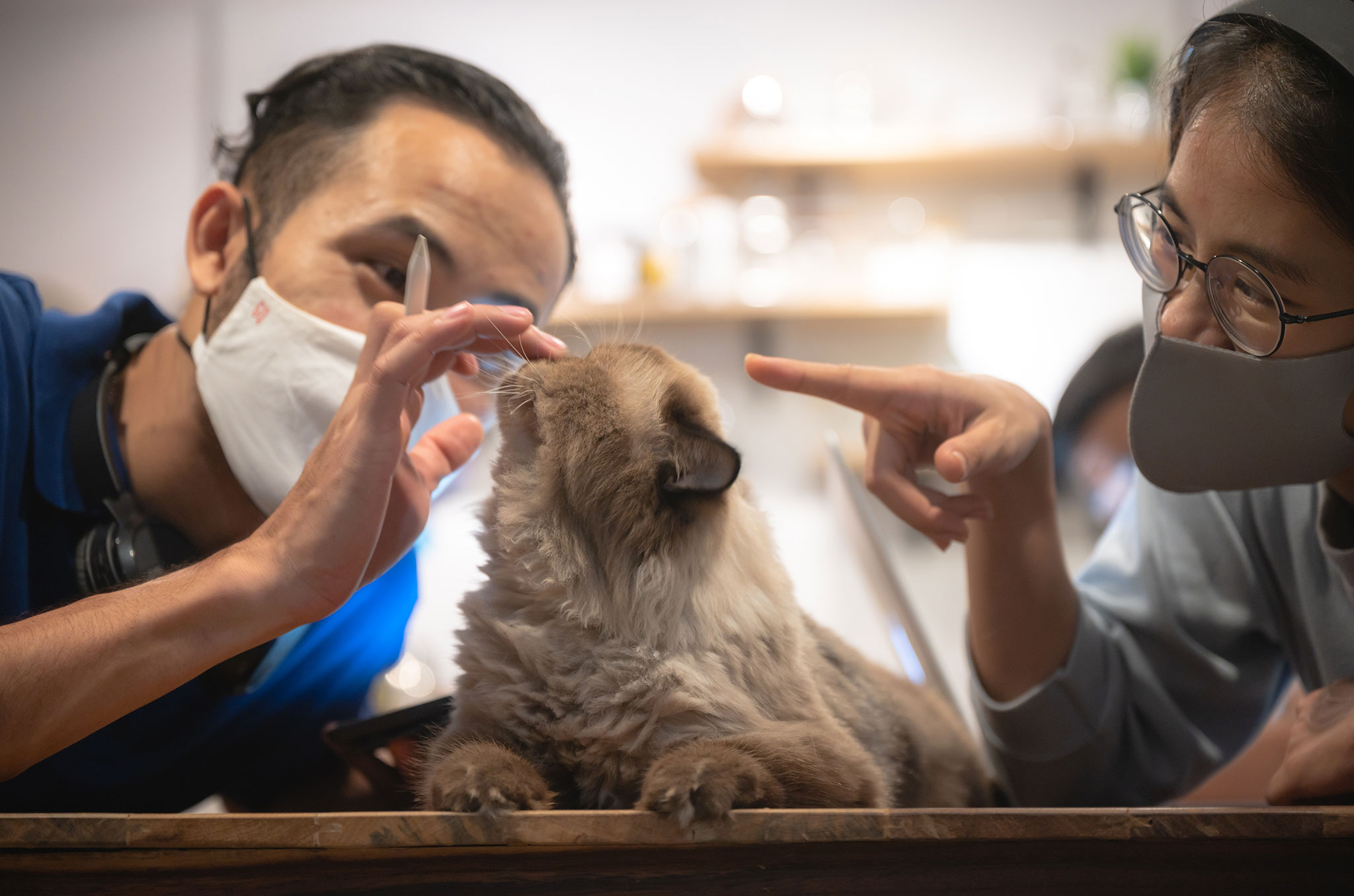

Every wag, purr, and playful jump tells a story of health and happiness.
But beneath the surface, there may be hidden risks — tiny variations in your pet’s DNA that could affect their future well-being.
Genetic diseases don’t show up overnight. In many cases, pets appear perfectly healthy for years before the first signs emerge. Understanding these inherited risks early allows owners and veterinarians to take action long before illness develops — and that can make all the difference.
1. What Are Genetic Health Risks?
Just like humans, pets inherit genes from both parents.
These genes carry instructions for everything — from coat colour and body size to how their heart, muscles, and nerves function.
Sometimes, small changes in these genes (called mutations) can increase the risk of disease.
Some pets are carriers — meaning they don’t show symptoms but can pass the risk to their offspring. Others may be affected, meaning the condition could develop in their lifetime.
Most of these conditions are not contagious — they are written in the pet’s DNA from birth.
2. Common Inherited Conditions in Dogs
There are hundreds of known hereditary diseases in dogs and cats.
Here are a few that many owners aren’t aware of until it’s too late:
- Hip Dysplasia – A skeletal disorder where the hip joint doesn’t fit properly, leading to pain and arthritis.
- Progressive Retinal Atrophy (PRA) – Gradual vision loss that can lead to blindness.
- Degenerative Myelopathy (DM) – A late-onset neurological disease causing weakness and paralysis in the hind legs.
- Von Willebrand Disease (vWD) – A bleeding disorder caused by low clotting factor levels.
- Hereditary Cataracts – Clouding of the eye lens that may impair vision.
Many of these diseases can remain silent for years. By the time symptoms appear, irreversible damage may already have occurred.
3. Why Early Knowledge Matters
Knowing your pet’s genetic risks doesn’t mean bad news — it means empowerment.
It allows you to make informed choices about their lifestyle, diet, and veterinary care.
For example:
- Dogs with hip dysplasia risk can benefit from weight management, soft bedding, and gentle exercise.
- Pets predisposed to eye conditions can have regular eye screenings.
- Those at risk for metabolic or cardiac disorders can be monitored with tailored nutrition and checkups.
In short — knowledge gives time. Time to prepare, to adjust, and to protect.
4. How Genetic Screening Helps Prevention
Modern veterinary care is shifting from treating diseases to preventing them.
Genetic screening plays a key role in that transformation.
By identifying risk factors before symptoms appear, vets can create personalized care plans — including diet, exercise, or more frequent monitoring — to improve long-term health.
Even responsible breeders use genetic information to make better pairing decisions, helping reduce the spread of inherited diseases over time.
5. Caring Smarter, Loving Longer
At its heart, understanding genetics isn’t about science — it’s about compassion.
Every pet deserves the best chance at a healthy, comfortable life, and every owner deserves the peace of mind that comes from being prepared.
When we know their risks early, we can take steps to protect them — giving our pets not just more years, but better ones.


